Habitats and Wildlife
The Botanic Garden is a refuge for wildlife at the heart of Coffs Harbour city.
Retained natural forest makes up more than half of the area of the North Coast Regional Botanic Garden. The garden is also surrounded by forests and wetlands along the banks of the Coffs Creek estuary which is a part of the Solitary Islands Marine Park.
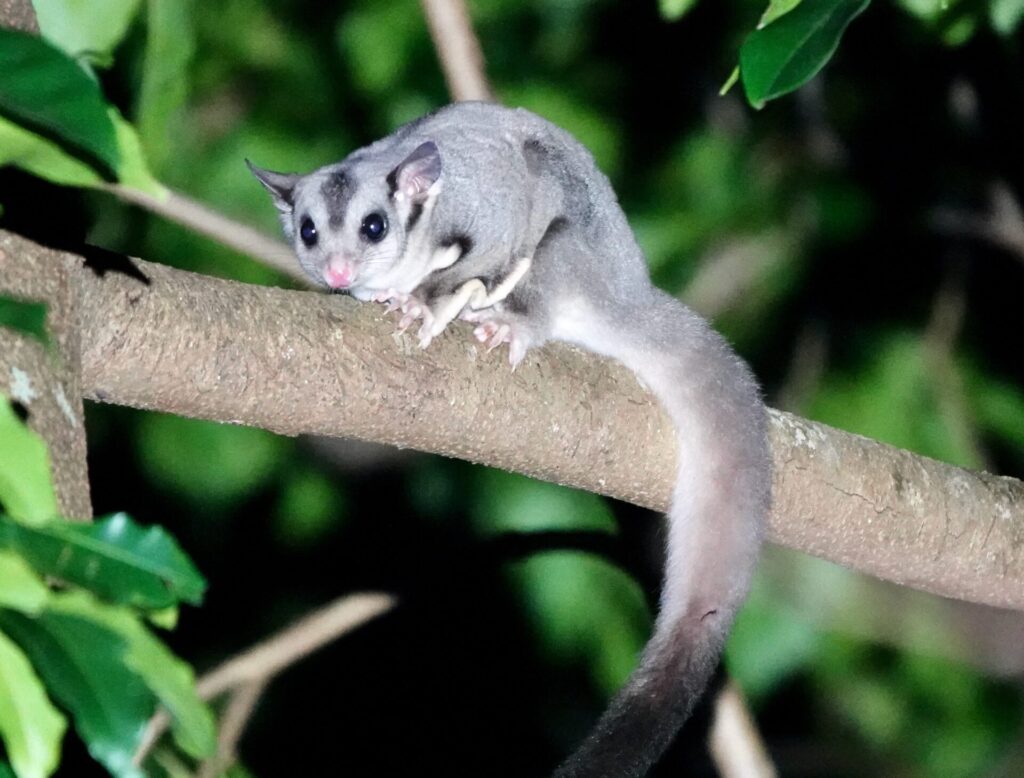
Within and around the Botanic Garden are many old trees containing natural hollows. A lot of Australian animals depend on tree hollows for shelter and to breed, such as possums, gliders and many bird species. The combination of natural forests, old trees with hollows, and a wide variety of plants and food sources in the garden supports a diversity of animal life. Add in a network of paths and facilities and the garden offers easy to access opportunities to learn about the habitat needs and conservation of native wildlife.
Plant Community Types – habitats for wildlife
The Botanic Garden contains a variety of natural plant communities in the central area of the garden and along the banks of the Coffs Creek estuary. These are complemented by the plantings of native and exotic species as part of the curated Living Plants Collection near the garden entrance and at the northern end of the garden.
The Plant Community Types found in the botanic garden include:
- Estuarine Mangrove Forest. Key species: Grey Mangrove
- Coastal Sand Forest. Key species: Pink Bloodwood, Smooth-barked Apple
- Coastal Paperbark Floodplain Forest. Key species: Broad-leaved Paperbark, Swamp Oak, Red-fruit Saw-sedge.
- Coastal Swamp Mahogany Forest. Key species: Swamp Mahogany, Saw-sedge
- Wet Ferny Forest (Wet Sclerophyll Forest). Key species: Blackbutt, Turpentine
- Coast and Escarpment Dry Forest. Key species: Turpentine, Scribbly Gum
More details about the ‘Vegetation Community Profiles’ of the Coffs Coast region can be found in a detailed 2012 Coffs Harbour Fine-scale Vegetation Mapping reports at this link:
Fauna Surveys and Educational Programs
Since 2021, and building on earlier surveys, a volunteer run fauna survey and education program has been using special cameras and other survey techniques to record the range and distribution of wildlife living in the garden. These surveys have revealed the garden to be home to koalas, possums, gliders, echidnas, wallabies, megabats (flying foxes), microbats and many species of frogs and reptiles. For an introduction to the wildlife living in the garden download this guide: Wildlife of the Botanic Garden.
The observational records of bird watchers visiting the Botanic Garden over many years reveals the garden to also be home to, or regularly visited by, over 105 bird species. Download a listing of the birds observed here: 105 Birds of the Botanic Garden
Australia’s largest owl, the Powerful Owl often breeds in the garden over the cooler months, attracted by large nesting hollow trees and a relative abundance of food. Learn more about the Powerful Owl.
Tours and Resources
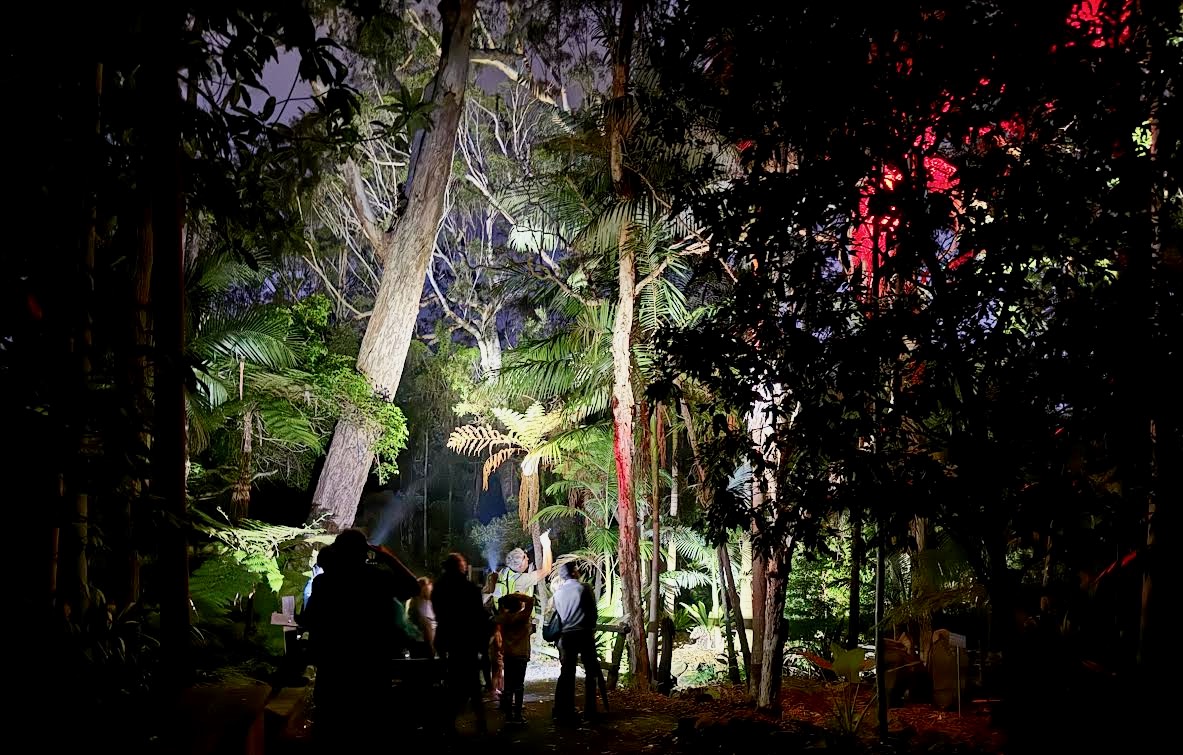
Wildlife tours and other events to explore the biodiversity in the garden are offered to visitors by the volunteers of the Friends of the Botanic Garden. Details on what is currently offered can be found under Tours and Events.
Informed by the findings of the fauna surveys the garden volunteers and staff produce educational displays and resources such as a Teachers Kit called ‘Our Habitat Our Home’ which explores the diversity of animals living in the different Plant Community Types and why they live there.
A range of other educational resources and programs can be found under Learn.
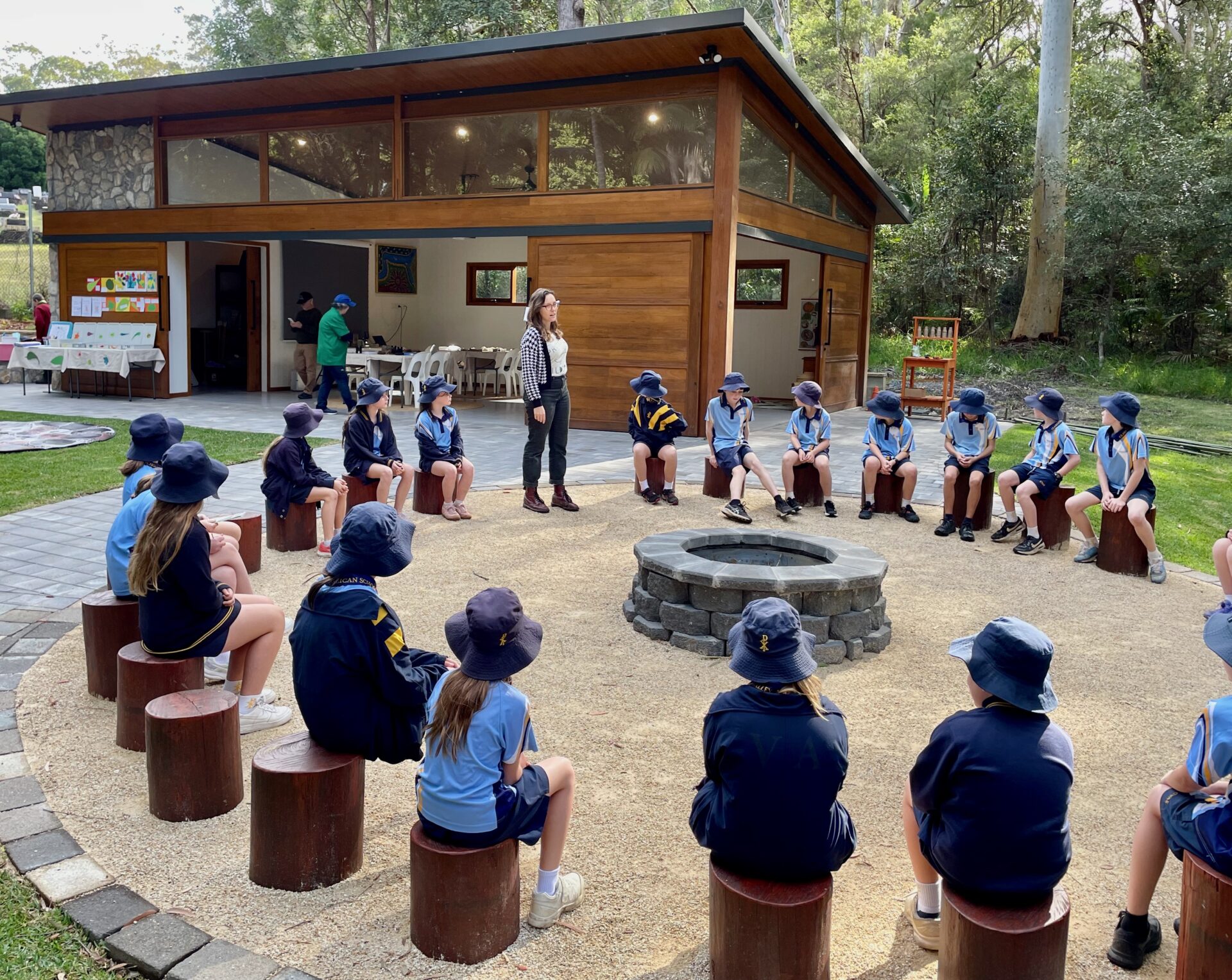
The Nature Discovery Centre is an indoor/outdoor learning space surrounded by forest trees about 70 metres from the garden entrance. It is available for hire by schools and other groups with an educational purpose. Nearby the centre is the signposted Nature Trail and other self-guided trails to learn about the wildlife and their habitat needs.