Living Plants Collection
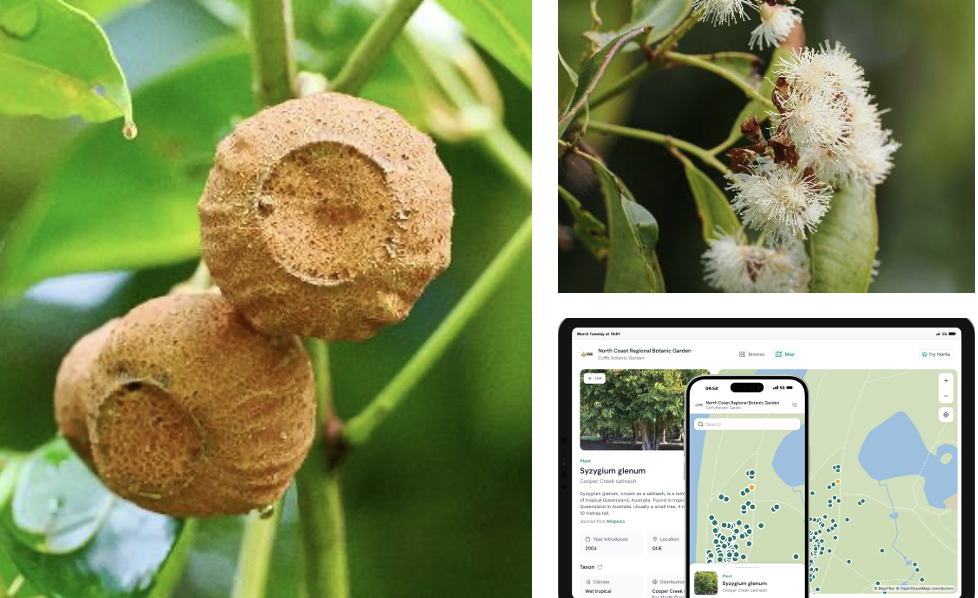
Botanic gardens in Australia and around the world play an important role in conservation by maintaining curated and well documented Living Plants Collections. Combined with other services such as a seed bank and herbarium, these ‘living libraries’ of plant biodiversity underpin scientific study, educational activities and conservation programs.
The Living Plants Collection in the North Coast Regional Botanic Garden embraces a diversity of plants with a focus on plants endemic to the NSW north coast region. The collection includes rare and endangered grasses such as Floyd’s Grass (Alexfloydia repens) which grows naturally near the mangrove boardwalk in the garden through to tall majestic trees such as the Blue Fig or Quandong (Elaeocarpis grandis) which can be found in the sub-tropical rainforest area of the Botanic Garden.
The Living Plants Collection in the North Coast Regional Botanic Garden comprises:
- Plants in the retained natural forests of the garden which include documented Plant Community Types found in the Coffs Coast region, such as dry open coastal forests and wetland forest ecosystems. These natural plant communities comprise over half of the total area of the Botanic Garden.
- Curated plant collections representing the flora of the NSW North Coast and the South East Queensland regions, including coastal heathlands and forests.
- A curated rainforest area including rainforest species found in Palm Swamp, Subtropical, Warm Temperate and Dry rainforest types.
- Special conservation collections of rare and endangered plants from northern NSW and Queensland, including a special collection of native species from the Proteaceae family.
- A curated selection of plants from the subtropical regions of other continents, located in the international garden areas at the far end of the garden.
- Special plantings and educational displays near the garden entrance such as a curated collection of plants with ancient lineage from the Gondwanan geological period.
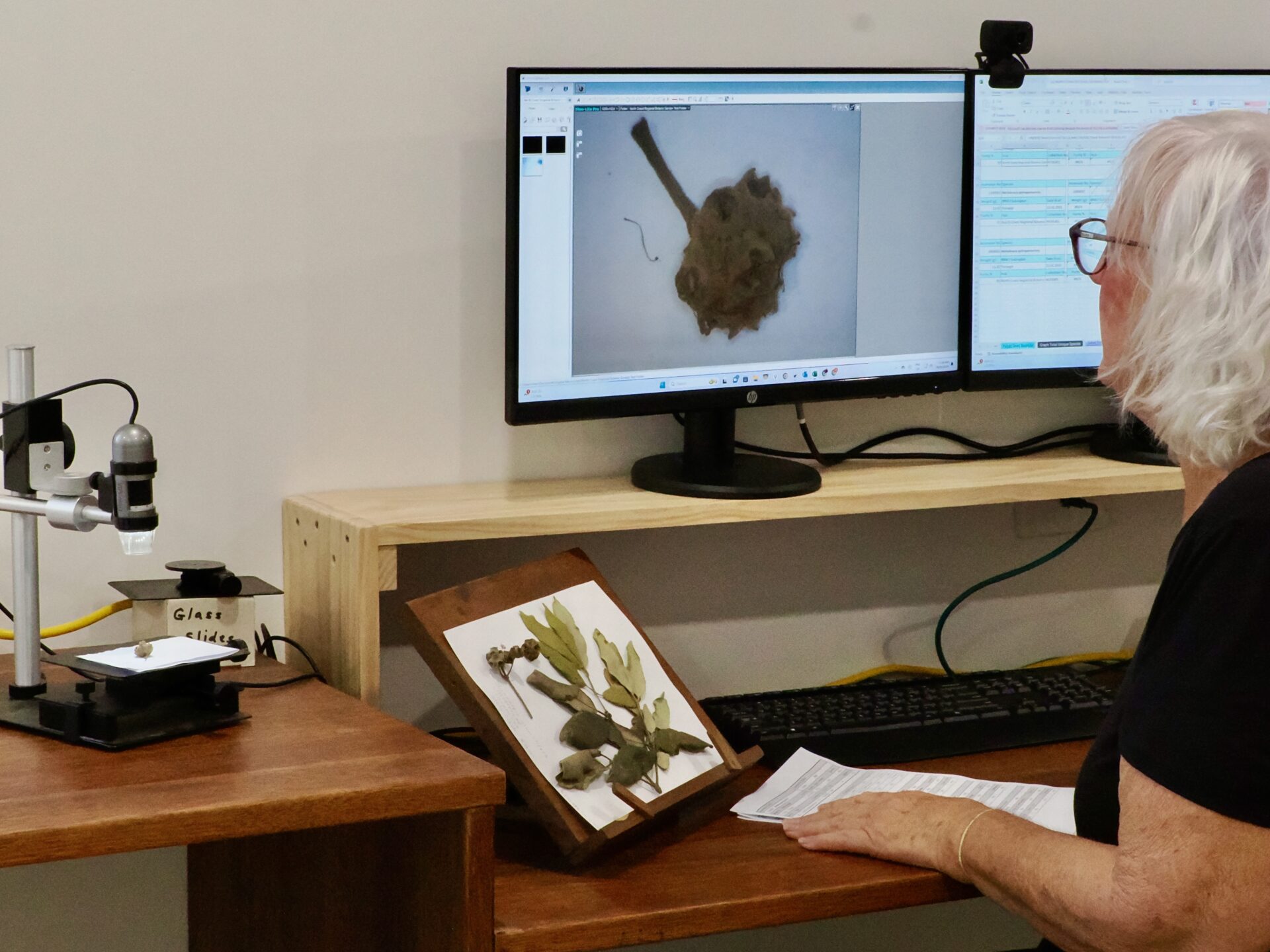
The Living Plants Collection is managed with the aid of special database software called Hortis linked to a digital map of the garden. For each plant in the Living Plants Collection the online database records:
- the plant’s scientific and common names
- the natural distribution and climate zone of the plant
- planting records in the garden
- precise location of the plant specimens in the garden
- photographs and observation notes to monitor growth and health.
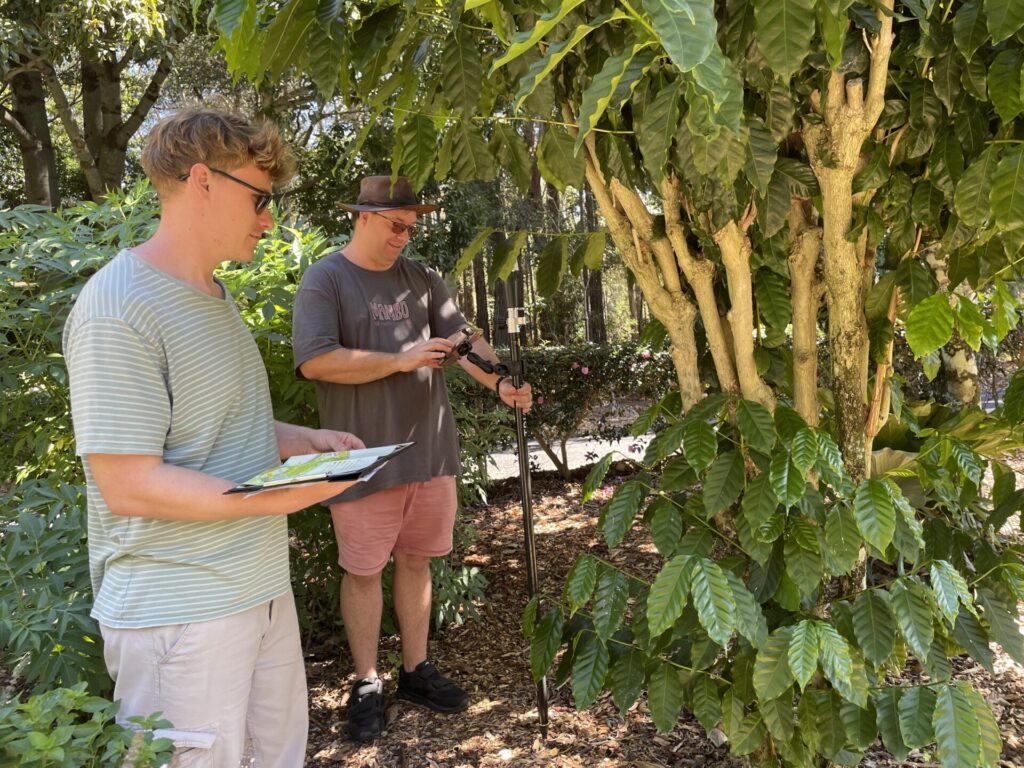
This information allows the Living Plants Collection to be managed for research and conservation. Volunteers from the Friends of the Garden, working in collaboration with the City of Coffs Harbour staff, maintain the Living Plants Collection database through the regular ground checking of plants to verify and update the database records.
Explore the plants in the Living Plants Collection
The online plant database with digital garden map also enables visitors to explore the fascinating world of plants and to locate these plants in the garden.
To use the online Living Plants Collection database:
1 Open the database/map.
Click on this link: https://coffsbotanicgarden.hortis.com/public/site/garden/map
2 Type the name of a plant into the search box
For example: ‘Blue Fig’ or ‘Elaeocarpis grandis’.
If the plant is in our Living Plants Collection a photo of the plant with its scientific name and common names will be shown.
3 Click on the plant photo
A garden map showing the location of the plant specimens in the garden will be displayed along with background information about the plant and photos of the plant specimens.
4 Locate the plant
Follow the map to find where this plant is growing in the Botanic Garden.
Tapping the target icon (the NSEW arrows) will show your current location relative to the plant that you have selected as shown on the map. TIP: For this to work you need to allow location access on your phone. Location accuracy will depend on the GPS in your device.