Conservation
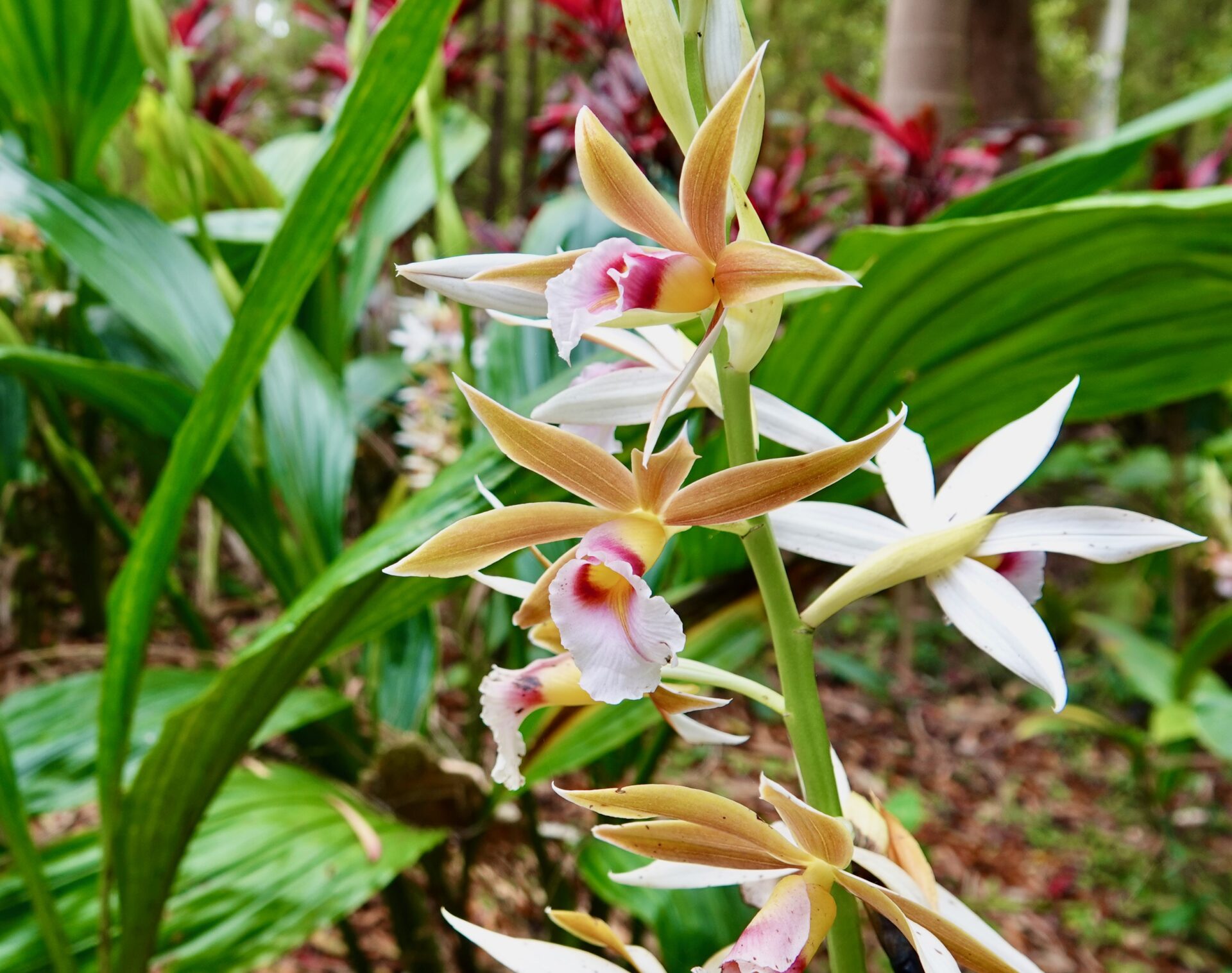
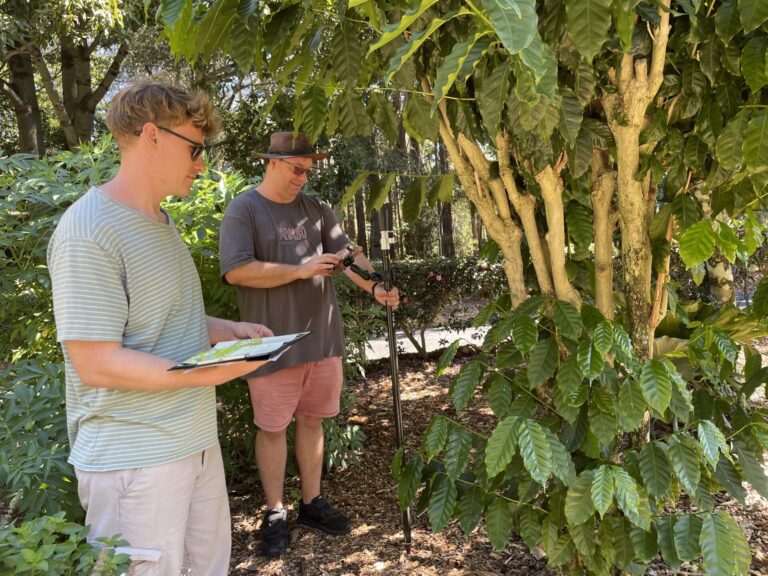
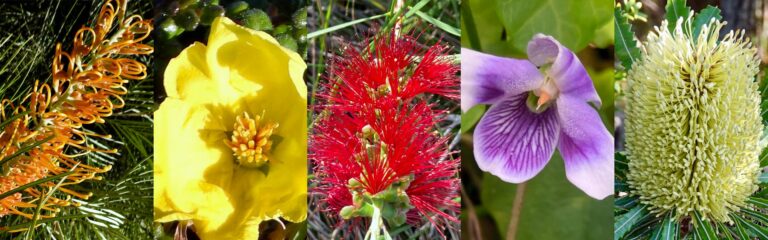
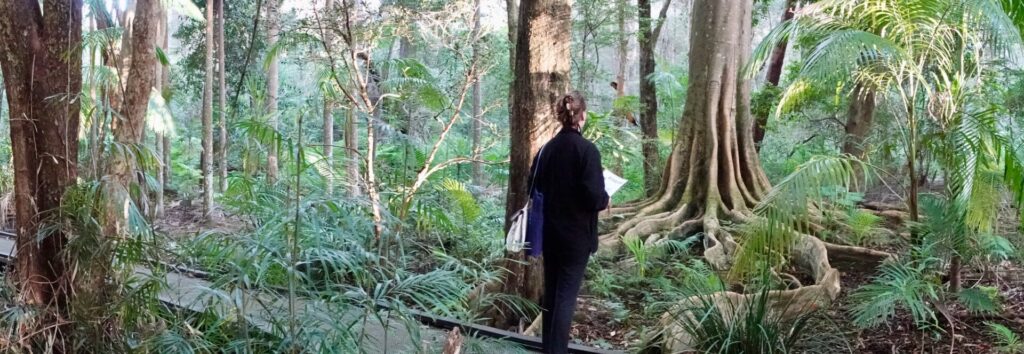
The North Coast Regional Botanic Garden contributes to the work of nature conservation in a variety of ways. Core to this role the garden is a scientifically curated ‘living library’ of plant biodiversity as well as being a beautiful place to visit and to connect with nature. The garden also serves as a sanctuary to protect rare and endangered plant species while supporting botanical science and conservation programs including seed banking, plant nurseries and maintaining a herbarium. This work helps with the study and conservation of our valuable plant life and the restoration of our natural environment.
The botanical science and conservation work at the Botanic Garden encompasses:
- The Living Plants Collection – with a database of over 6,000 plants
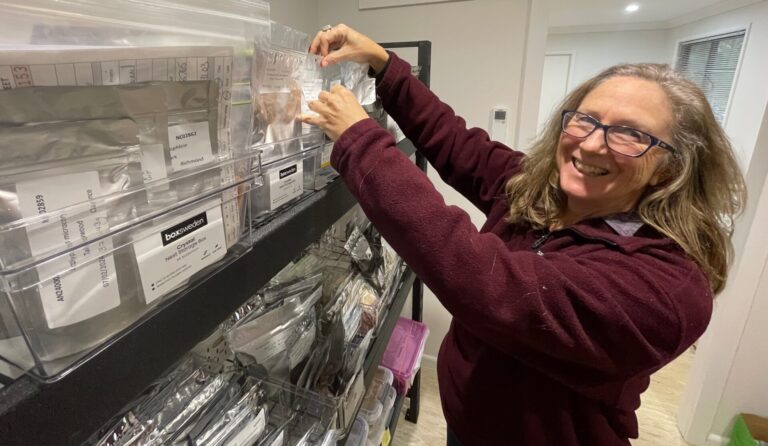
- The Seed Bank – storing and supplying native plant seed for restoration projects
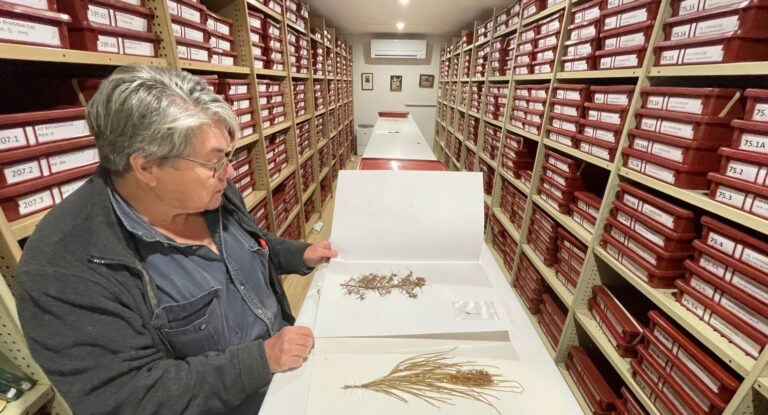
- The Herbarium – a library of dried plant specimens to aid botanical research
- Plant Nurseries – offering native plants for sale to the community and to grow for the Botanic Garden collection and other conservation purposes
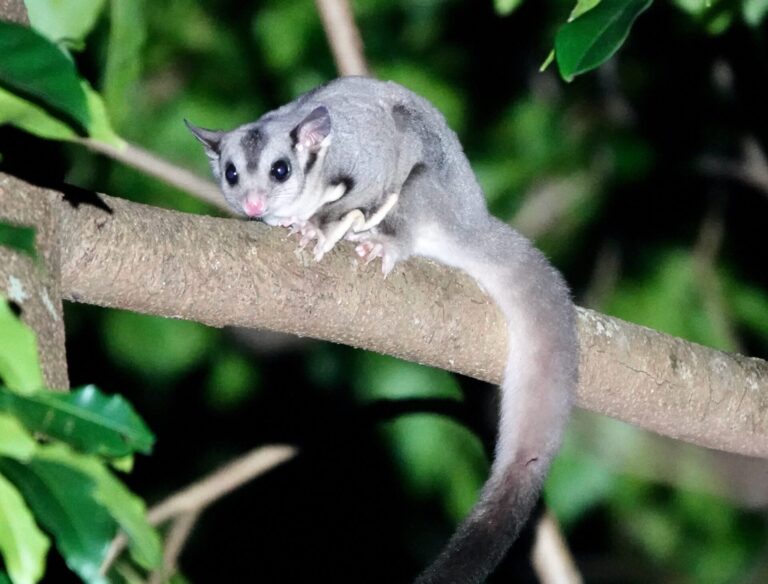
- Habitats and Wildlife – fauna surveys and habitat education programs
By conserving and studying plants, researchers can map out their environmental needs and cultivation requirements. This is essential to avoid plant extinctions and to protect plant biodiversity. The Botanic Garden also plays an important role to inform the local community about the science and practice of botany and of ways to help conserve our environment. This conservation work is supported by volunteers and funded by the Friends of the Botanic Garden in collaboration with the City of Coffs Harbour and partner organisations including NSW Local Land Services and other botanic gardens in Australia.
Plant Identification Service
The Botanic Garden offers a free service to the community for plant identification. The best way to use this service is to email photos of the plant along with information about its location and habit, rather than providing samples of the leaves and flowers of the plant.
For tips on useful phone applications and online databases to help identify plants and the photos to take to enable accurate plant identification download this Plant ID Guide.
Requests for plant identification can be emailed to: botanyCBG@gmail.com