
Biodiversity Field Studies
Minibeasts in the Garden
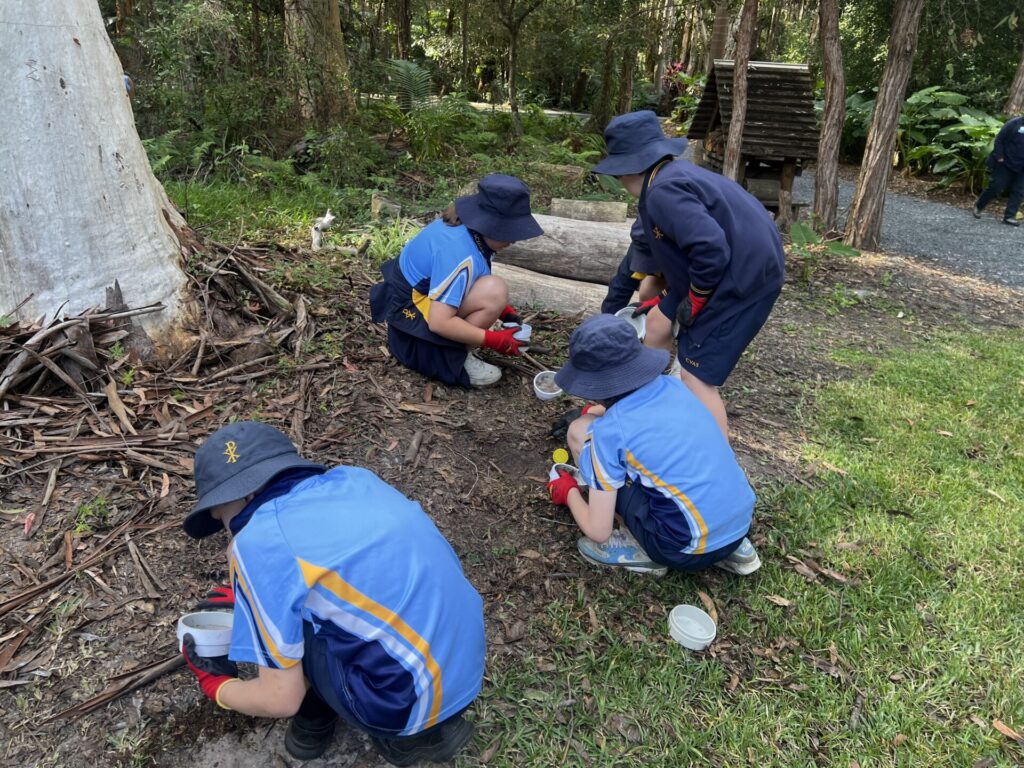
Did you know that there’s an entire ecosystem of miniature wildlife in the leaf litter beneath your feet? Our digital microscope can reveal this hidden world, allowing us to observe the weird and wonderful features of ‘minibeasts’. We consider how these incredible features – iridescent shells, compound eyes, hairy legs, translucent wings, forked tails, extendable jaws, and more! – are adaptations for life in the leaf litter or pond. Students then create their own minibeast using clay and foraged materials.
Extension: Identify ‘Who is Who’ using a dichotomous key, then use a Field Guide to find out who eats who! Students can draw a food web to keep track of their observation and apply key ecological concepts such as decomposer, predator and prey. We learn about the vital role bugs play in decomposing organic material and cycling energy through an ecosystem. We can also apply the concept of ‘bio-indicator’ to relate the presence (or absence) of certain critters to overall ecosystem health.
Curriculum links
Primary
NSW Science and Technology K-6 Syllabus (2017) – Current
- Working Scientifically, all stages (STe-1WS-S, ST1-1WS-S, ST2-1WS-S, ST3-1WS-S)
- Living World, all stages (STe-3LW-ST, ST1-4LW-S, ST2-4LW-S, ST3-4LW-S)
NSW Science and Technology K-6 Syllabus (2024) – From 2027
- STE-SCI-01 identifies and describes characteristics of living things, properties of materials, and movement
- ST1-SCI-01 measures and describes changes in living things, materials, movement, Earth and the sky
- ST2-SCI-01 uses information to investigate the solar system and the effects of energy on living, physical and geological systems
- ST3-SCI-01 uses evidence to explain how scientific knowledge can be used to develop sustainable practices
Secondary
NSW Science Years 7–10 Syllabus (2023) – Current
- Working Scientifically, SC5-WS-01 and SC4-WS-01 Observing, SC4-WS-02 and SC5-WS-02 Questioning and Predicting, SC4-WS-03 and SC5-WS-03 Planning Investigations, SC4-WS-04 and SC5-WS-04 Conducting Investigations, SC4-WS-05, SC5-WS-05 Processing data and information, SC4-WS-06 and SC5-WS-06 Analysing data and information
- SC4-LIV-01describes the role, structure and function of a range of living systems and their components
- SC5-GEV-01 describes the relationship between the diversity of living things and the theory of evolution
Burn & Learn
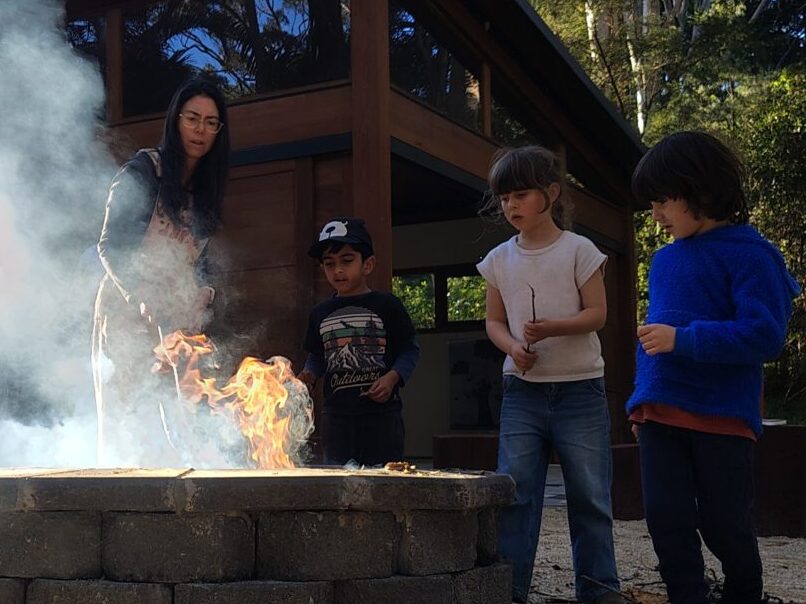
Investigate the chemistry of combustion with traditional fire craft. When we don’t have matches or a lighter, creating a spark presents a real STEM challenge! Students gather a tinder bundle from the environment and try their hand at sparking a fire using a ferro rod, experimenting with different combustible materials and variables such as moisture and air flow. Applying the Fire Triangle model, we can evaluate and explain why some designs and methods worked better and use these insights to improve our craft.
Extension: Walking through the Garden, we can observe the adaptive strategies and structures of native plants that have evolved hand in hand with fire in the landscape. Students compare hot and cool burns and predict the ecological impacts of each.
Curriculum Links
Primary
NSW Science and Technology K-6 Syllabus (2017) – Current
- Working Scientifically, all stages (STe-1WS-S, ST1-1WS-S, ST2-1WS-S, ST3-1WS-S)
- 5ST2-8PW-ST – describes the characteristics and effects of common forms of energy, such as light and heat
- ST2-2DP-T selects and uses materials, tools and equipment to develop solutions for a need or opportunity
- ST3-8PW-ST– explains how energy is transformed from one form to another
- ST3-6MW-S – explains the effect of heat on the properties and behaviour of materials
- ST3-2DP-T plans and uses materials, tools and equipment to develop solutions for a need or opportunity
- ST3-4LW-S examines how the environment affects the growth, survival and adaptation of living things
NSW Science and Technology K-6 Syllabus (2024) – From 2027
- STE-SCI-01 identifies and describes characteristics of living things, properties of materials, and movement
- STE-PQU-01poses questions based on observations to collect data
- ST1-SCI-01 measures and describes changes in living things, materials, movement, Earth and the sky
- ST1-PQU-01 poses questions based on observations and information to investigate cause and effect
- ST1-DDT-01uses technologies and materials to design and make products to address user needs or opportunities
- ST3-SCI-01uses evidence to explain how scientific knowledge can be used to develop sustainable practices
- ST3-DDT-01uses design processes to create, evaluate and modify designed solutions
Secondary
NSW Science Years 7–10 Syllabus (2023)
- Working Scientifically, SC4-WS-02 and SC5-WS-02 Questioning and Predicting, SC4-WS-07 and SC5-WS-07 Problem-solving
- SC4-CHG-01 explains how energy causes geological and chemical change
- SC5-RXN-02 explains the factors that affect the rate of chemical reactions
- SC5-ENV-01 analyses the impact of human activity on the natural world
From Little Things, Big Things Grow
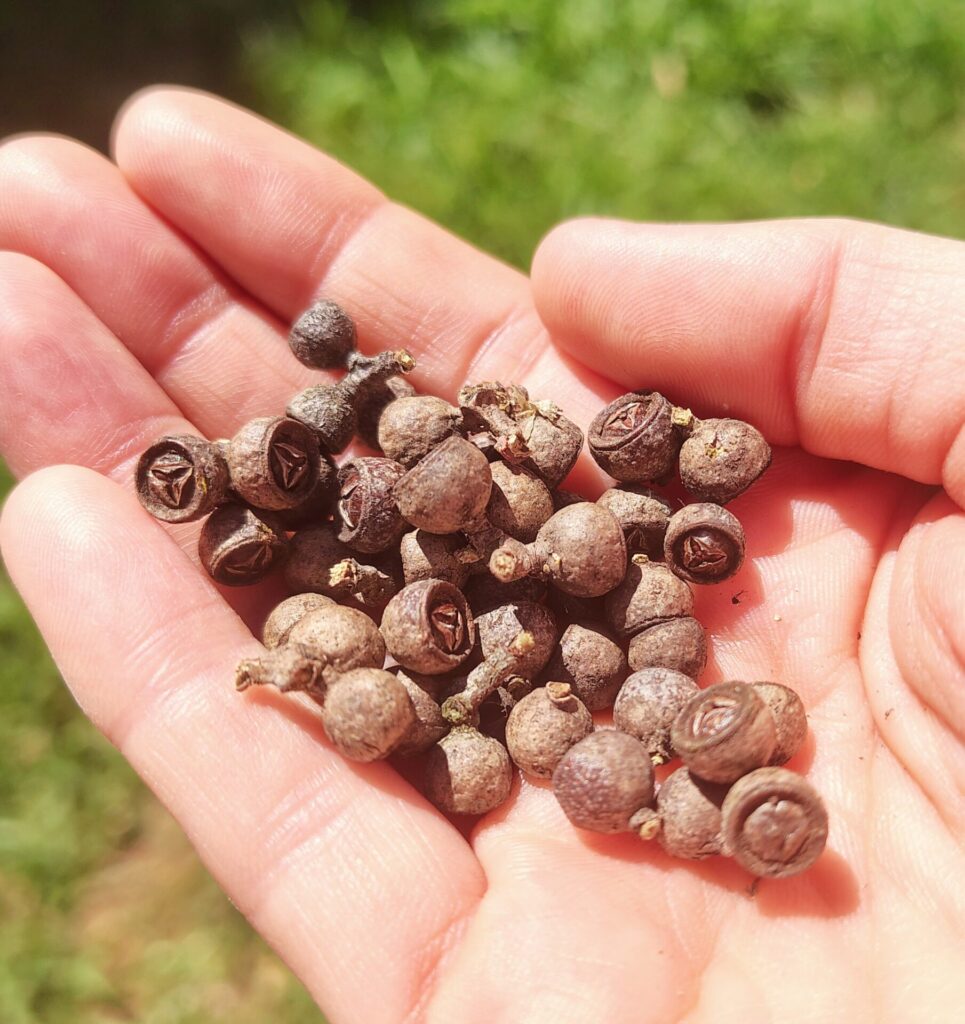
Students conduct field work to collect seeds and classify them by dispersal method. We see that seeds are designed to disperse in different ways; some through the air like helicopters, some hitchhiking on animal’s fur or our shoelaces, some packaged in tasty fruit to be eaten and deposited elsewhere in a little pile of manure. We investigate the conditions seeds need to germinate and grow to become plants that provide food, water, shelter, timber and oxygen for humans and wildlife. Students plant a seed to take back to school and tend to, learning about plant lifecycles and the value of caring for the ecosystems that support us.
Extension: We visit wet and dry forests to compare the reproduction of ferns and eucalypts to investigate how different environmental conditions influence different strategies for reproduction. Students consider the characteristics of the seeds they collected to infer the selection pressures for each species, applying concepts of competition, predation and abiotic environmental factors of the habitat to support their predictions.
Curriculum links
Primary
NSW Science and Technology K-6 Syllabus (2017) – Current
- Working Scientifically, all stages (STe-1WS-S, ST1-1WS-S, ST2-1WS-S, ST3-1WS-S)
- STe-3LW-ST explores the characteristics, needs and uses of living things
- ST1-4LW-S describes observable features of living things and their environments
- ST2-4LW-S compares features and characteristics of living and non-living things
- ST2-5LW-T describes how agricultural processes are used to grow plants and raise animals for food, clothing and shelter
- ST3-4LW-S examines how the environment affects the growth, survival and adaptation of living things
NSW Science and Technology K-6 Syllabus (2024) – From 2027
- Working Scientifically, SC5-WS-01 and SC4-WS-01 Observing, SC4-WS-02 and SC5-WS-02 Questioning and Predicting, SC4-WS-03 and SC5-WS-03 Planning Investigations, SC4-WS-04 and SC5-WS-04 Conducting Investigations, SC4-WS-05, SC5-WS-05 Processing data and information, SC4-WS-06 and SC5-WS-06 Analysing data and information
- STE-SCI-01- identifies and describes characteristics of living things, properties of materials, and movement
- ST1-SCI-01 – measures and describes changes in living things, materials, movement, Earth and the sky
- ST2-SCI-01 uses information to investigate the solar system and the effects of energy on living, physical and geological systems
Secondary
NSW Science Years 7–10 Syllabus (2023)
- Working Scientifically, SC5-WS-01 and SC4-WS-01 Observing, SC4-WS-02 and SC5-WS-02 Questioning and Predicting, SC4-WS-03 and SC5-WS-03 Planning Investigations, SC4-WS-04 and SC5-WS-04 Conducting Investigations, SC4-WS-05, SC5-WS-05 Processing data and information, SC4-WS-06 and SC5-WS-06 Analysing data and information
- SC4-LIV-01describes the role, structure and function of a range of living systems and their components
- SC5-GEV-01 describes the relationship between the diversity of living things and the theory of evolution
Murder in the Forest: An Ecological Mystery Game
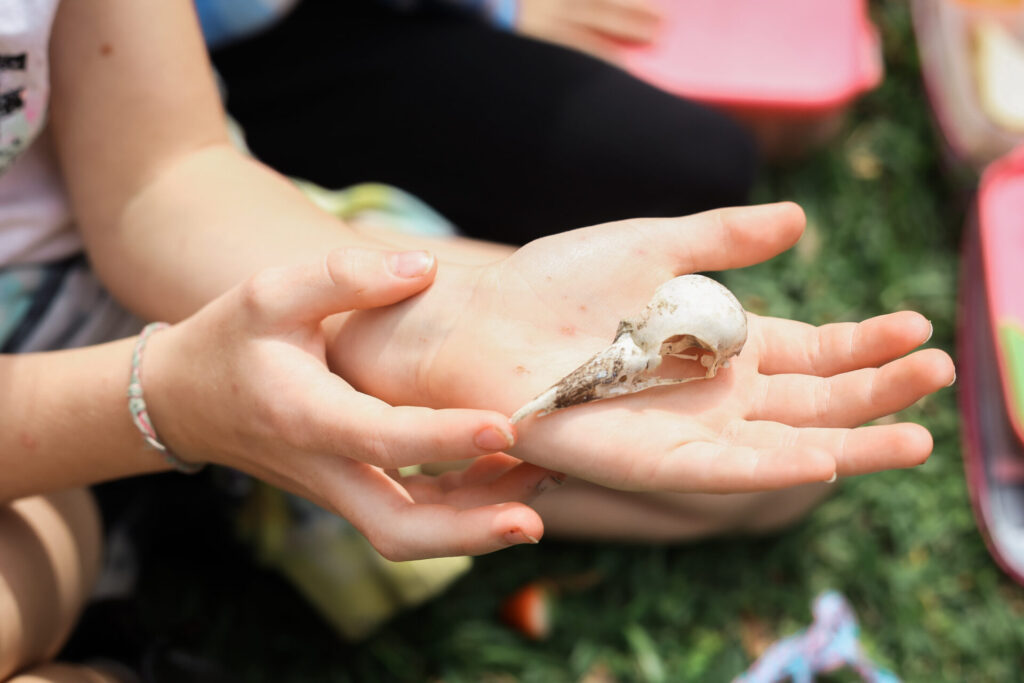
Students investigate clues to solve a murder mystery involving a predator and its prey. Through making observations in the field, asking clever questions and researching using field guides, we can apply scientific information to help us understand key ecological relationships and piece together a story that solves the mystery at hand. We investigate the shelter, diet and behavior of different wildlife species, learning about the vital importance of tree hollows as habitat for Australian wildlife in the process.
Extension: Students conduct a habitat assessment for a threatened species and identify priority strategies for conservation.
Curriculum:
Primary
NSW Science and Technology K-6 Syllabus (2017) – Current
- Working Scientifically, all stages (STe-1WS-S, ST1-1WS-S, ST2-1WS-S, ST3-1WS-S)
- STe-3LW-ST explores the characteristics, needs and uses of living things
- ST1-4LW-S describes observable features of living things and their environments
- ST2-4LW-S compares features and characteristics of living and non-living things
- ST3-4LW-S examines how the environment affects the growth, survival and adaptation of living things
NSW Science and Technology K-6 Syllabus (2024) – From 2027
- STE-SCI-01- identifies and describes characteristics of living things, properties of materials, and movement
- STE-PQU-01 poses questions based on observations to collect data
- ST1-SCI-01 – measures and describes changes in living things, materials, movement, Earth and the sky
- ST1-DAT-01 collects, represents and uses data to identify patterns and relationships
- ST2-SCI-01 uses information to investigate the solar system and the effects of energy on living, physical and geological systems
- ST2-DAT-01 uses and interprets data to describe patterns and relationships
- ST3-SCI-01 uses evidence to explain how scientific knowledge can be used to develop sustainable practices
Secondary
NSW Science 7–10 Syllabus (2023)
- Working Scientifically: SC4-WS-01 Observing, SC4-WS-06 Analysing data and information
- SC4-LIV-01 describes the role, structure and function of a range of living systems and their components
- SC5-GEV-01 describes the relationship between the diversity of living things and the theory of evolution
Beaks ‘n’ feet
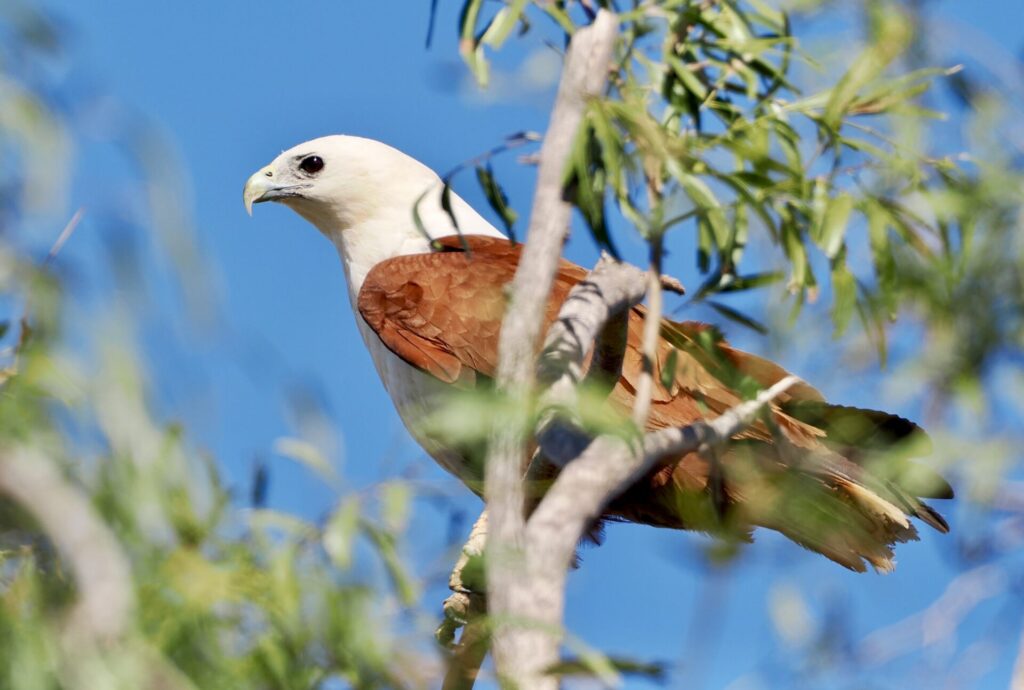
Is that beak a ripper, a sipper, a pincher, a scooper, or a cracker? Are those feet walkers, waders, perchers, grabbers or paddlers? Looking closely at the bodies of a bird tells us a lot about what it eats, where it lives and how it spends its day. Birding is a great way to learn about ecology and evolution.
Extension: Studying birds is an excellent way to understand adaptation by natural selection. Students observe how form relates to function when it comes to “beaks ‘n’ feet”, applying the concepts of adaptation and habitat niche to explain their observations.
Curriculum:
Primary
NSW Science and Technology K-6 Syllabus (2017) – Current
- Working Scientifically, all stages (STe-1WS-S, ST1-1WS-S, ST2-1WS-S, ST3-1WS-S)
- STe-3LW-ST explores the characteristics, needs and uses of living things
- ST1-4LW-S describes observable features of living things and their environments
- ST2-4LW-S compares features and characteristics of living and non-living things
- ST3-4LW-S examines how the environment affects the growth, survival and adaptation of living things
NSW Science and Technology K-6 Syllabus (2024) – From 2027
- STE-SCI-01- identifies and describes characteristics of living things, properties of materials, and movement
- STE-PQU-01 poses questions based on observations to collect data
- ST1-SCI-01 – measures and describes changes in living things, materials, movement, Earth and the sky
- ST1-DAT-01 collects, represents and uses data to identify patterns and relationships
- ST2-SCI-01 uses information to investigate the solar system and the effects of energy on living, physical and geological systems
- ST2-DAT-01 uses and interprets data to describe patterns and relationships
- ST3-SCI-01uses evidence to explain how scientific knowledge can be used to develop sustainable practices
- ST3-DAT-01 interprets data to support explanations and arguments
Secondary
NSW Science 7–10 Syllabus (2023)
- Working Scientifically: SC4-WS-01 Observing, SC4-WS-02 and SC5-WS-02 Questioning and Predicting, SC4-WS-06 Analysing data and information
- SC4-LIV-01 describes the role, structure and function of a range of living systems and their components
- SC5-GEV-01 describes the relationship between the diversity of living things and the theory of evolution
Bird Language 101
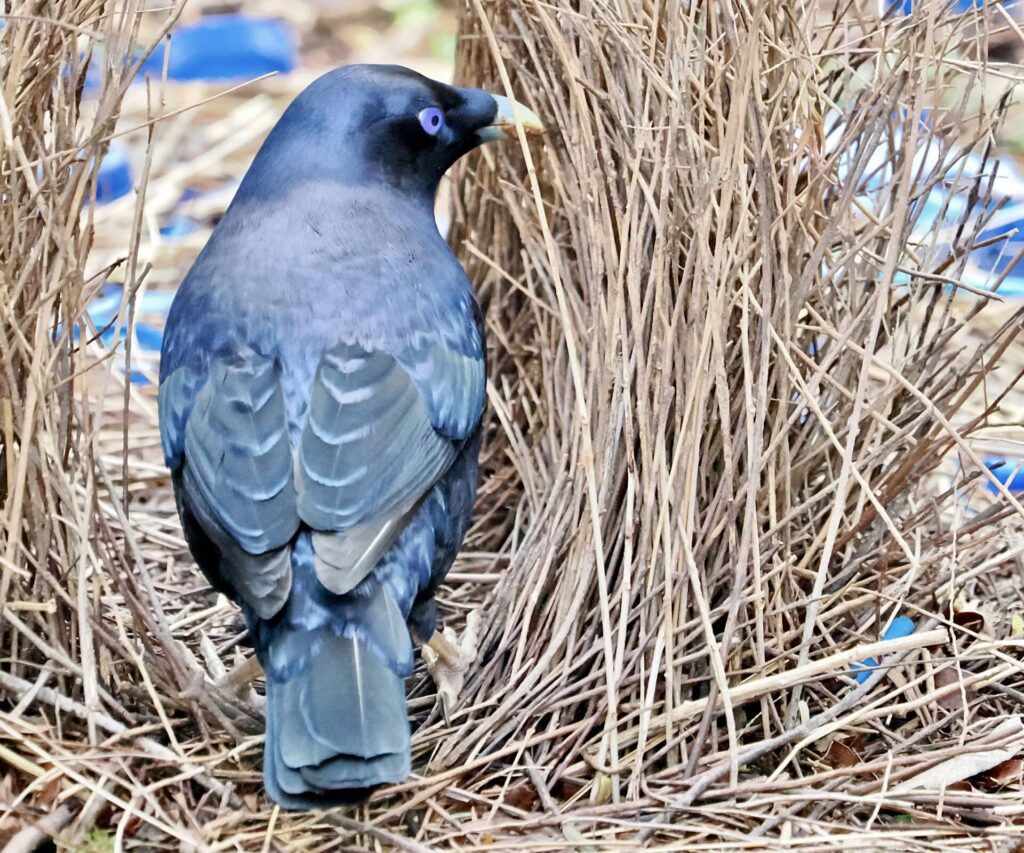
This Field Study is built on three facts that are strange but true: 1- birds pay attention to everything, 2- birds talk about what they experience, and 3- humans can understand what they are saying too! If we can attune our ears to the language of birds, we can observe ecological relationships in real time as we walk through the forest.
Extension: Students will learn to distinguish between four distinct bird ‘voices’ and apply ecological concepts such as predation and territoriality explain their observations. Using professional audio recording equipment, students can record bird calls in the field and represent this data visually as a spectrograph.
Curriculum links
Primary
NSW Science and Technology K-6 Syllabus (2017) – Current
- Working Scientifically, all stages (STe-1WS-S, ST1-1WS-S, ST2-1WS-S, ST3-1WS-S)
- STe-3LW-ST explores the characteristics, needs and uses of living things
- ST1-4LW-S describes observable features of living things and their environments
- ST2-4LW-S compares features and characteristics of living and non-living things
- ST3-4LW-S examines how the environment affects the growth, survival and adaptation of living things
NSW Science and Technology K-6 Syllabus (2024) – From 2027
- STE-SCI-01- identifies and describes characteristics of living things, properties of materials, and movement
- STE-PQU-01 poses questions based on observations to collect data
- ST1-SCI-01 – measures and describes changes in living things, materials, movement, Earth and the sky
- ST1-DAT-01 collects, represents and uses data to identify patterns and relationships
- ST2-SCI-01 uses information to investigate the solar system and the effects of energy on living, physical and geological systems
- ST2-DAT-01 uses and interprets data to describe patterns and relationships
- ST3-SCI-01uses evidence to explain how scientific knowledge can be used to develop sustainable practices
- ST3-DAT-01 interprets data to support explanations and arguments
Secondary
NSW Science 7–10 Syllabus (2023)
- Working Scientifically: SC4-WS-01 Observing, SC4-WS-02 Questioning and Predicting, SC4-WS-05 Processing data and information, SC4-WS-06 Analysing data and information
- SC4-LIV-01 describes the role, structure and function of a range of living systems and their components
Fabulous Frogs
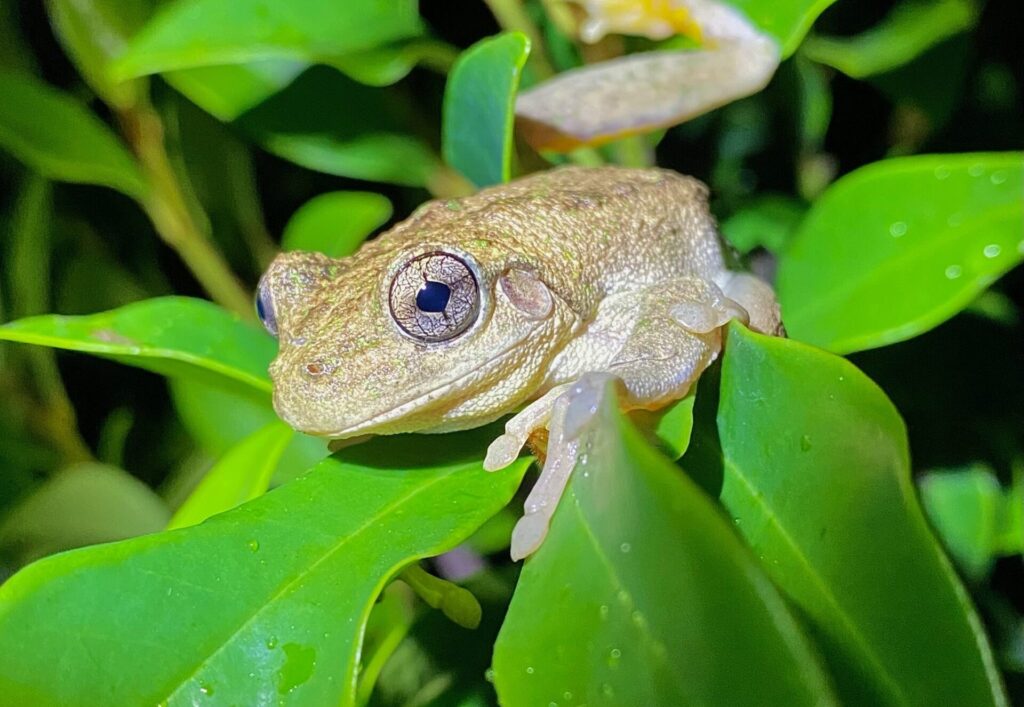
We learn about five of the most common local frog species and consider what they need from their environment throughout their lifecycle. Students look for signs of frogs and tadpoles at different habitats. Comparing the conditions and features of each habitat, students identify features that would help or hinder the survival of our amphibious amigos.
Extension: Students investigate the physical and behavioural adaptations of each species. By understanding species-specific needs and what environmental changes they are most sensitive to, we can identify priority strategies for conservation.
Curriculum Links:
Primary
NSW Science and Technology K-6 Syllabus (2017) – Current
- Working Scientifically, all stages (STe-1WS-S, ST1-1WS-S, ST2-1WS-S, ST3-1WS-S)
- STe-3LW-ST explores the characteristics, needs and uses of living things
- ST1-4LW-S describes observable features of living things and their environments
- ST2-4LW-S compares features and characteristics of living and non-living things
- ST3-4LW-S examines how the environment affects the growth, survival and adaptation of living things
NSW Science and Technology K-6 Syllabus (2024) – From 2027
- STE-SCI-01- identifies and describes characteristics of living things, properties of materials, and movement
- STE-PQU-01 poses questions based on observations to collect data
- ST1-SCI-01 – measures and describes changes in living things, materials, movement, Earth and the sky
- ST1-DAT-01 collects, represents and uses data to identify patterns and relationships
- ST2-SCI-01 uses information to investigate the solar system and the effects of energy on living, physical and geological systems
- ST2-DAT-01 uses and interprets data to describe patterns and relationships
- ST3-SCI-01uses evidence to explain how scientific knowledge can be used to develop sustainable practices
- ST3-DAT-01 interprets data to support explanations and arguments
Secondary
NSW Science 7–10 Syllabus (2023)
- Working Scientifically: SC4-WS-01 Observing, SC4-WS-02 Questioning and Predicting, SC4-WS-06 Analysing data and information
- SC4-LIV-01 describes the role, structure and function of a range of living systems and their components
- SC5-ENV-01 analyses the impact of human activity on the natural world